

What is a Home Energy Rating?
A Home Energy Rating for Existing Homes (formally known as a NatHERS Existing Homes assessment) provides homeowners with Home Energy Rating Certificate to gain practical, cost-effective upgrade advice tailored to their ‘as built’ home.
The goal is to help reduce energy consumption, lower bills, enhance comfort, and increase the home’s resilience to extreme weather conditions.
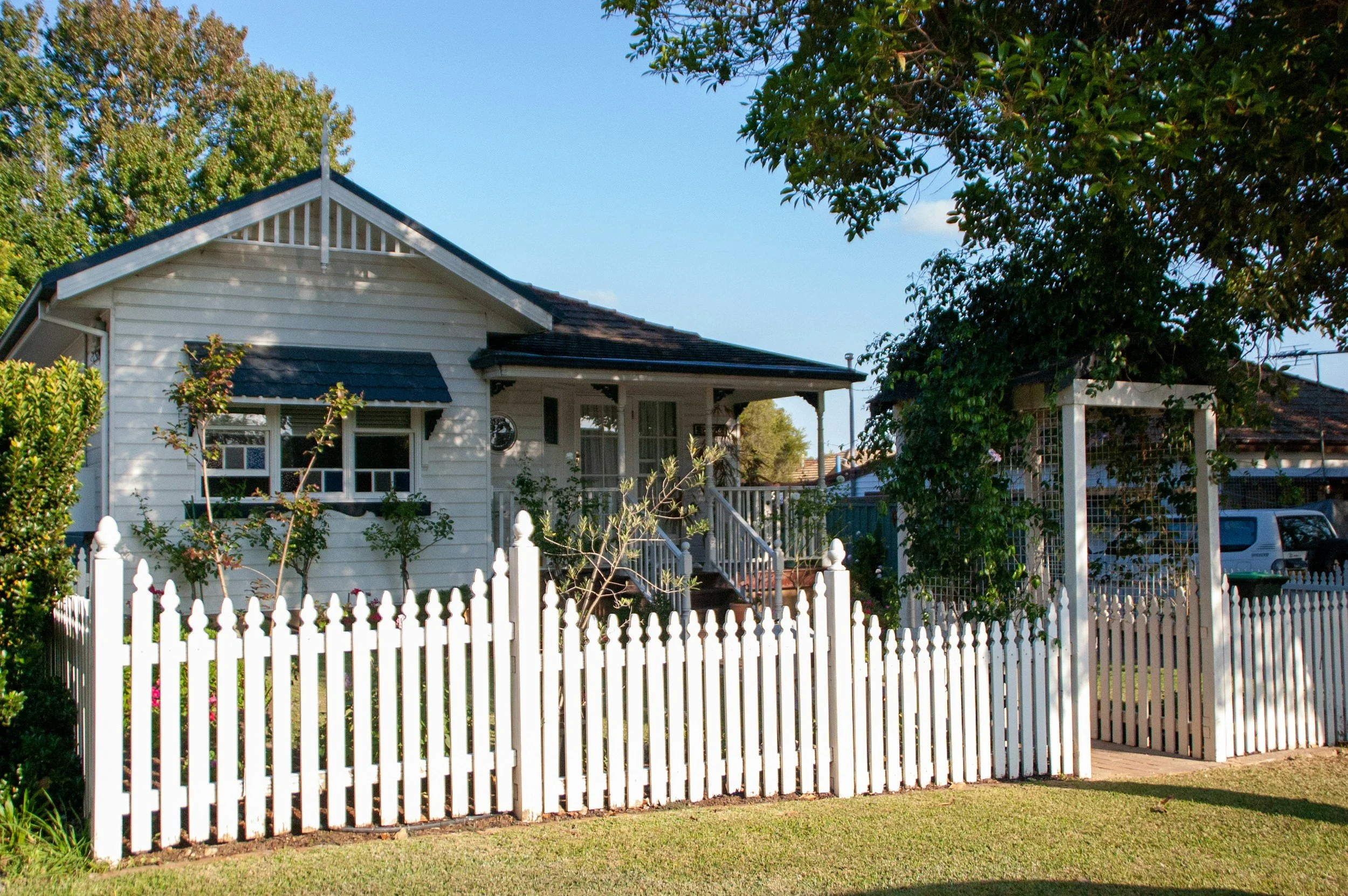
A Home Energy Rating assessor will evaluate:
Thermal Performance – This assesses how well a home retains heat in winter and remains cool in summer. Factors examined include insulation levels in walls, ceilings, and floors, the thermal efficiency of glazing, and air leakage through gaps, vents, and poorly sealed areas.
Whole of Home Energy Performance – This evaluates how efficiently a home uses energy for essential functions. It includes an assessment of heating and cooling systems, hot water systems, lighting, and major appliances such as refrigerators and washing machines. Additionally, on-site energy generation and storage systems, such as solar panels and battery storage, are considered to determine overall energy efficiency.
Key Elements Assessed:
Climate Zone, Exposure, and Orientation
Assessing the home’s location, sun exposure, and surrounding reflectance.
Windows and Doors
Assessing glazing, framing, and shading properties
Ceilings and Roofs
Measuring insulation levels and roof colour.

Zoning
Evaluating how different areas of the home are used and conditioned.
Floors
Inspecting insulation levels, materials, and underfloor ventilation.

Heating and Cooling Systems
Examining installed HVAC systems and efficiency.
Hot Water Systems
Evaluating efficiency and energy sources.

Walls & Shading
Identifying construction materials, insulation, and exterior colour. Evaluating eaves, verandahs, and other shading elements.
Air Leakage and Penetrations
Checking for draughts, vents, and chimney seals.

Lighting Systems
Identifying lighting types and energy efficiency.
On-Site Energy Production and Storage
Factoring in solar panels, batteries, and grid interaction.

Pools and Spas
Assessing heating and energy usage.
While not yet mandatory, Home Energy Assessments are encouraged when buying or selling a property, applying for green home finance, or planning upgrades or retrofits. In future, they may become standard practice in real estate and renovation markets.
The Home Energy Assessor will inspect the property in person. They will record construction details, measure windows and openings, check insulation, and note zoning and orientation in MagicPlan. No invasive work is required and most assessments are non-disruptive.
What happens during the assessment?
What you will need on the day.
To help your home energy assessor complete the job efficiently, please provide:
Access to all rooms and the roof space if possible. Any available building plans or renovation documentation. Details of any upgrades or insulation added since the original build. A recent power bill.
The more information you can provide, the more accurate your rating will be.
How Long Does a Home Energy Assessment Take?
Most physical site visits take between one and two hours depending on the size and complexity of the home.
After the visit, the report is typically delivered within 3-5 business days.
How Much Does a Home Energy Rating Cost?
The cost of a Home Energy Assessment typically starts from $800 + GST depending on the size, complexity and location of the property.
We can also advise of any current state government subsidies that may help towards the cost.
We are happy to offer an obligation free quote based on your property details. Contact us today to find out more or to request a tailored quote for your home.
What you will receive:
Once the assessment is complete, you will receive a Home Energy Rating Certificate that includes:
A star rating between 0 and 10
Heating and cooling load figures in megajoules per square metre
A floor plan summary and description of key construction details
Optional upgrade recommendations to improve your rating
This report can be used to support renovations, property listings, green finance applications (cheaper home loans) or simply to understand your home's performance better.
Yes, the star rating certificate provided does give some basic direction, but we can also build a report with priorities specific to your home and budget if requested.
With experience advising many other home owners and having personally renovated and built energy efficient homes for my family and others, we are happy to impart this knowledge and answer your questions.
We do not have any commercial relationships with insulation or solar companies, so we are not invested in pushing any specific product on you for our own gain.
Worth a mention:
More information?
